


Smarter Recycling.
Better Roads.
RECYCLING
Recycling is not a buzzword anymore. For a product like asphalt – which has limited availability and increased costs of extracting virgin materials – it is an absolute necessity.
Parker Plant has implemented several recycling technologies in this regard, but one of the most common of them is RAP or Recycled Asphalt Pavement materials.
In a nutshell, RAP is made by extracting old asphalt from roads, crushing it into consistent sizes, removing debris and blending it with new aggregate and bitumen to create a new, high-quality asphalt mix.
With the right controls, ingredient proportions and equipment, it is possible to produce an RAP conglomerate which is as good as the mixture derived from virgin materials.
At Parker Plant, both economic and environmental considerations play a role in creating the right RAP conglomerate. These include:
-

Studying and designing the optimal mix in a specialized laboratory
-

Understanding the RAP content in order to identify the virgin aggregates required
-

Knowing the bitumen content in the RAP
-

Giving the RAP a preliminary treatment through a plant devoted to RAP crushing and reselection
-

Understanding and complying with state and national environmental laws to ensure eco‑friendly recycling
-

Positioning and covering the RAP to ensure that the moisture content is kept as low as possible
With these technologies, Parker Plant contributes towards cost, energy and environmental efficiencies, paving the way for sustainability and recycling.
RELATED TECHNOLOGIES
WARM MIX ASPHALT – EFFECTIVE. EFFICIENT. ECO-FRIENDLY.
In recent years, warm mix asphalt has emerged as an alternative to traditional hot-mix techniques. It is most commonly produced at 30°C below Hot Mix temperatures, with the finished product between 100°C and 130°C. Because of its lower temperature production, it matches the performance of hot mix asphalt with lesser energy and emissions.
The mix is produced in several ways – injecting liquid or solid additives, using sequential coating techniques, and releasing small amounts of water at given temperatures to create a foaming effect on the bitumen.
Here’s a glimpse of how they work:

Solid additives
Solid additives – either powders or fibres – are either poured directly into the mixer, or stored in dedicated silos and sent to the injection point by a screw or a pneumatic system.
Liquid additives
Liquid additives are stored in dedicated tanks, pumped, metered and then injected either into the bitumen line or directly into the mixer.

Bitumen foaming
Bitumen foaming is the most cutting-edge and effective technology today due to its easy implementation and immediate results. Basically, bitumen changes state and becomes foam when brought into contact with small amounts of water, expanding to up to 20 times its initial volume. This property allows it to coat the aggregates at lower temperatures.
Energy savings
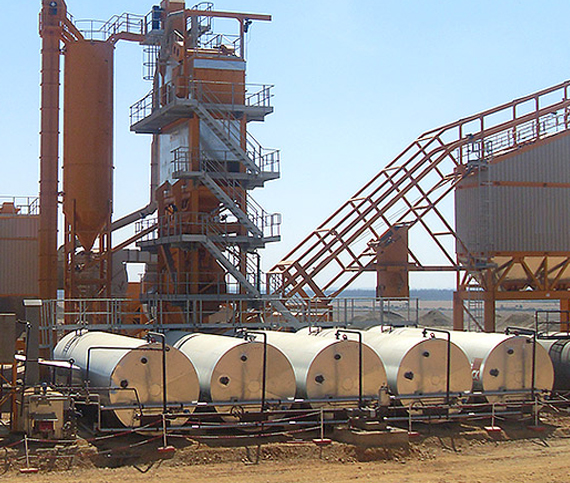
Asphalt plants come with massive operational costs – from the amount of fuel consumed by the dryer, to the cost of keeping the bitumen heated up to temperature, to energy consumption.
At Parker Plant, we advise clients on maximizing operational margins while balancing costs on a per-client basis, since every circumstance is different.
Dryer energy savings
Reducing dryer fuel consumption can result in considerable savings – but how?
The most important contributor is the moisture content in the aggregates/RAP, since one percentage point of moisture is equivalent to approx 7 kWh/t of added energy consumption (almost 10%) for drying. By defining the maximum moisture content when stocking up aggregates,
purchasing the right aggregates at the right time and ensuring optimal conditions in stockpiling areas, a large part of the energy and costs can be
optimised. Besides these, correct and frequent burner calibration, optimum asphalt production temperature, ready checks of the temperature of bag filter gas emissions and reduction of excess oxygen during combustion should also be taken into account.
Bitumen Tank Energy Savings
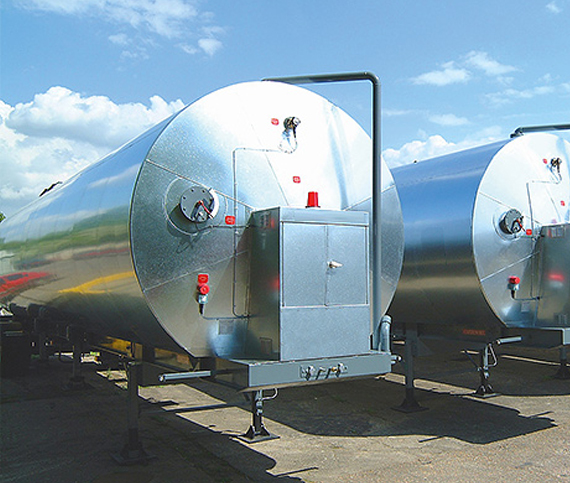
It’s important to consider the cost of keeping the bitumen park heated up to temperature, since many sites have old bitumen, improperly insulated tanks and insufficient insulation on the pipes, resulting in high operational costs. A recent estimate suggests that a mix hot Asphalt company spends around Rs. 2.81 crores annually on the production of 100,000 tons of asphalt material, and that too for drying and heating only*.
Thus, replacing the bitumen park, having innovative designs for the insulation supports and careful insulation of valves, pumps, pipes (with 100 mm rock wool) can halve the cost. So much so, that an old bitumen park can usually pay itself off in just 5 to 6 years. Parker Plant’s team of experts, along with on-site technicians, can evaluate the specific requirements of each site and offer solutions for maximising output.
Electrical Energy Savings
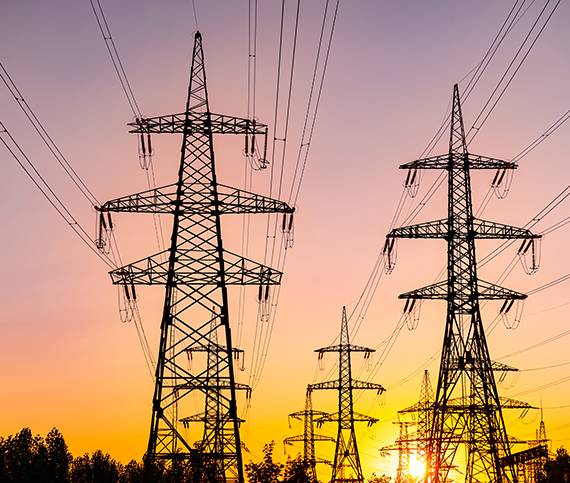
Energy consumption costs are a large part of plant operation, because of usage depending on starts and stops or continuous operation and the cost of power in different geographical areas. Parker Plant’s team helps support your unique needs and helps you find more efficient working solutions to optimise energy consumption.
Environmental Compliance
Parker Plant adheres to the Indian government’s strict environmental guidelines to minimize the impact of asphalt plants on the environment.

Emission Standards
The Ministry of Environment, Forest, and Climate Change has established limits on particulate matter and gaseous emissions. Plants must install advanced dust collection systems and scrubbers.

Noise Pollution
Noise levels must adhere to the Noise Pollution (Regulation and Control) Rules, requiring soundproofing measures.

Waste Management
Regulations require proper disposal of by-products and encourage recycling of materials, such as Reclaimed Asphalt Pavement.